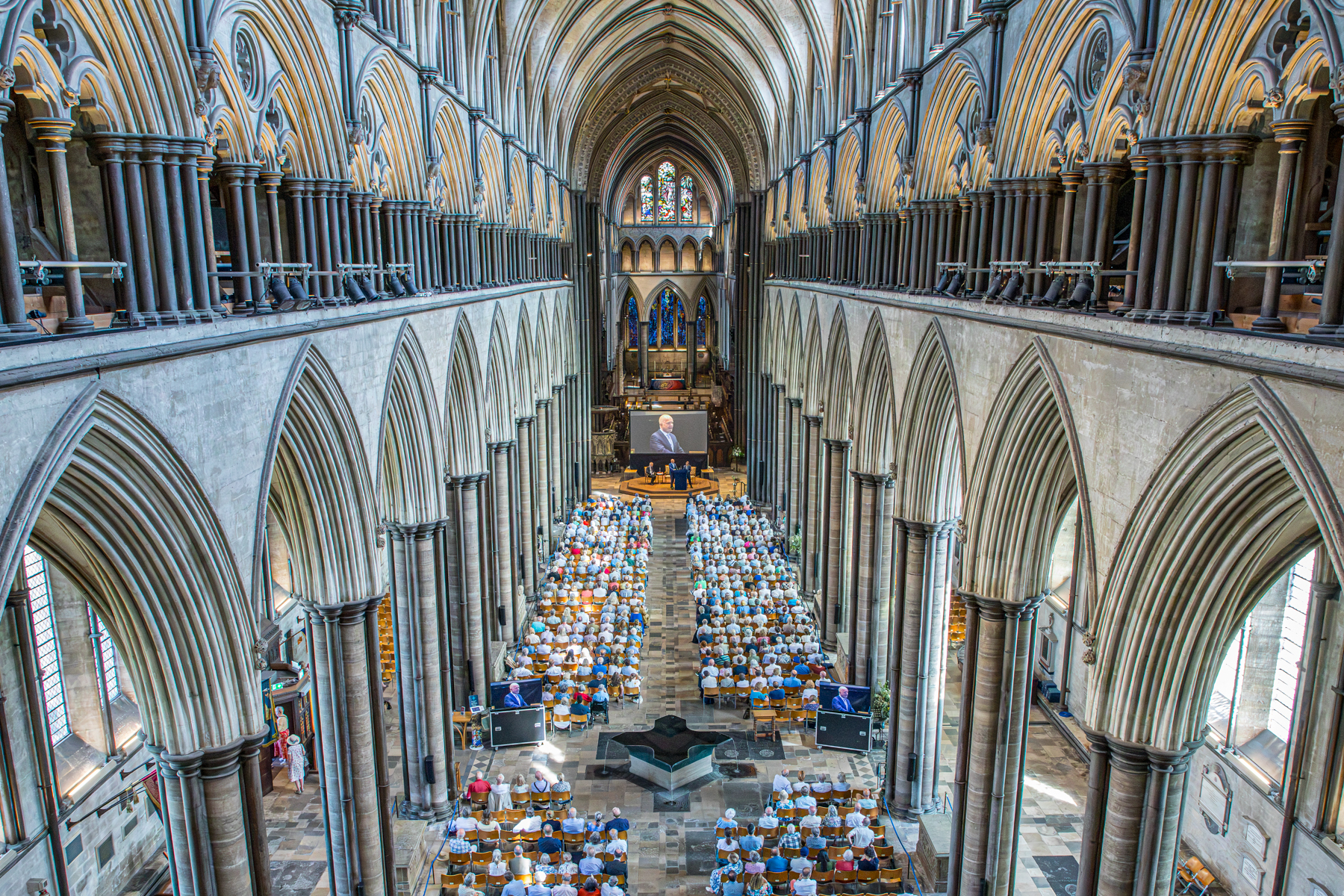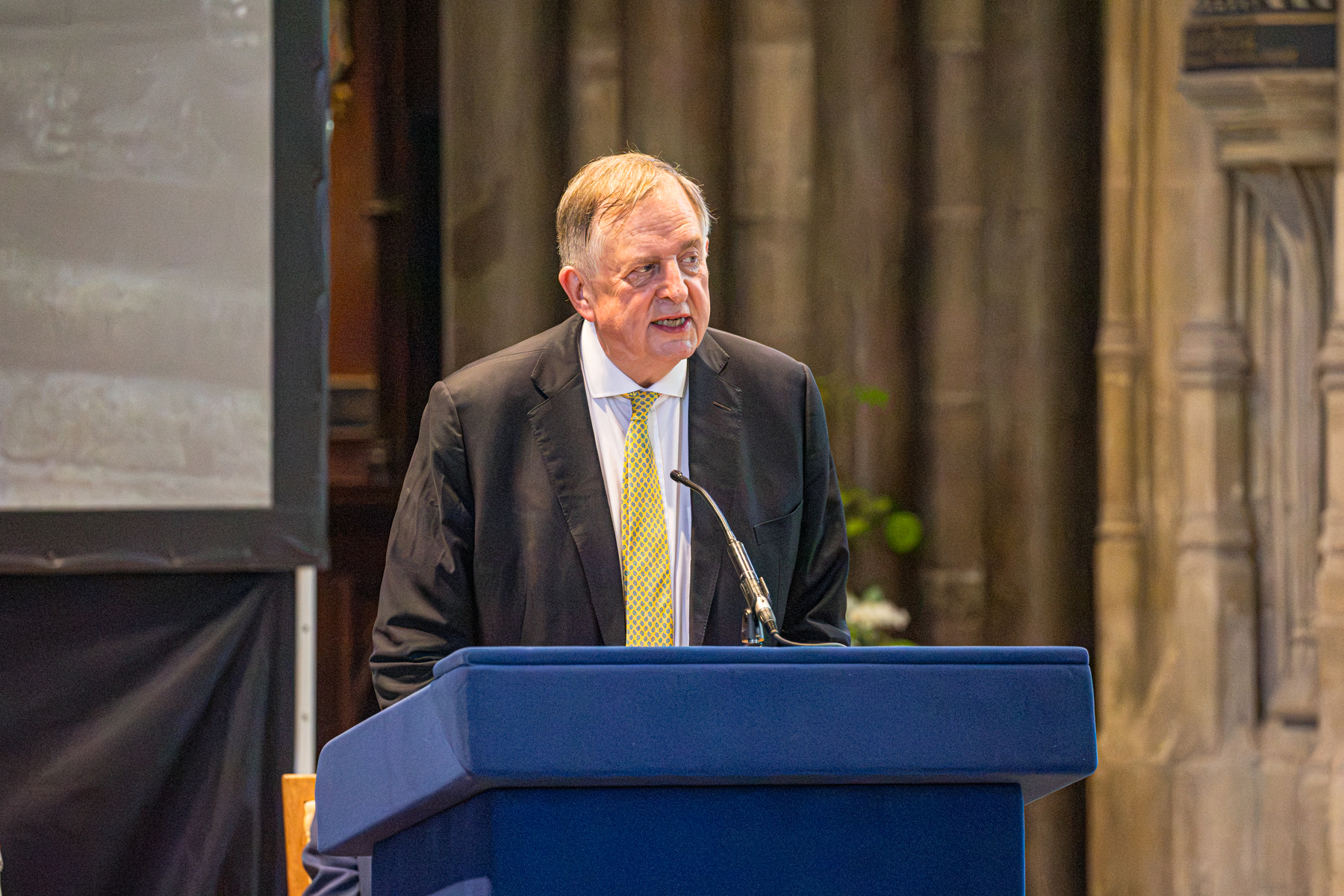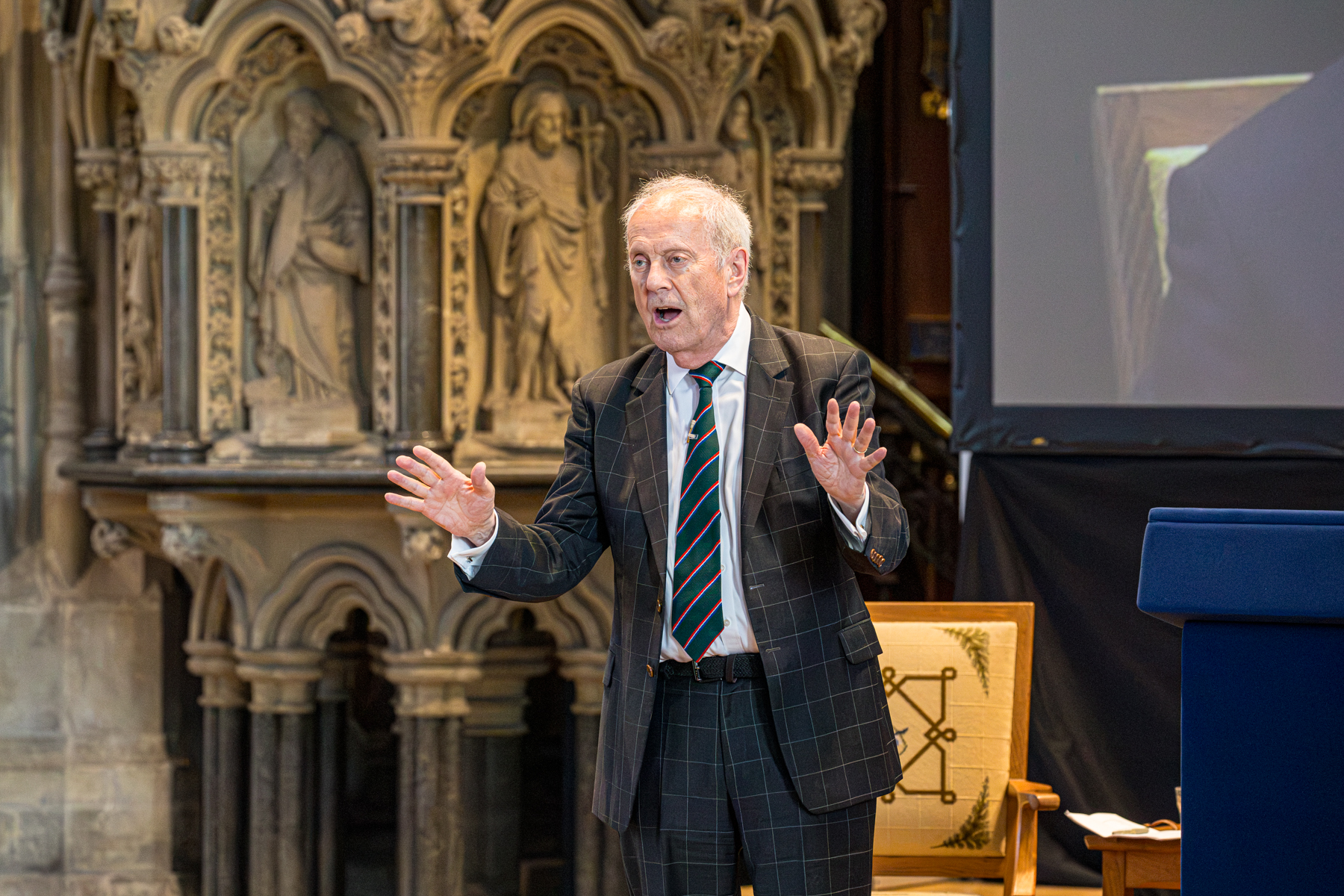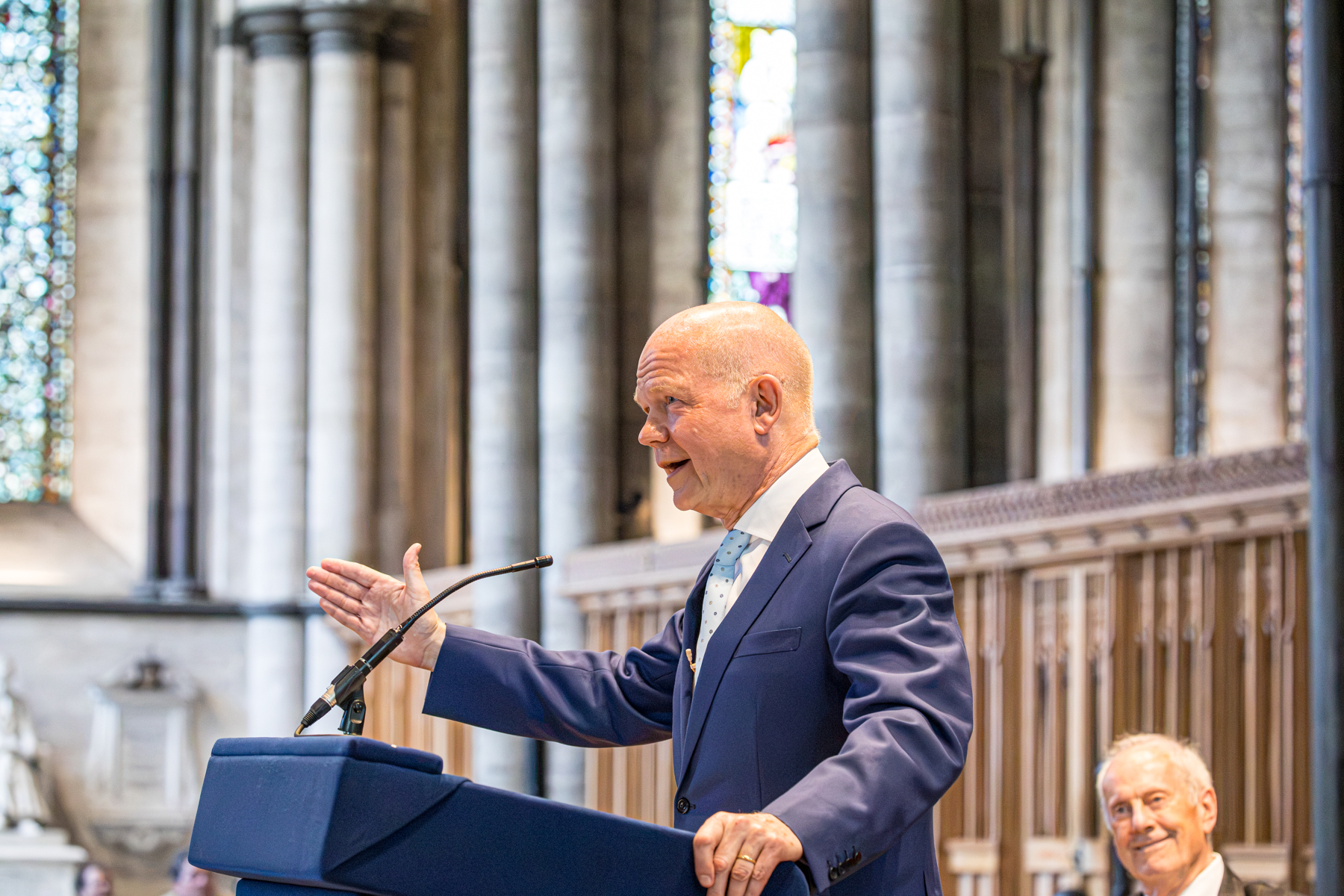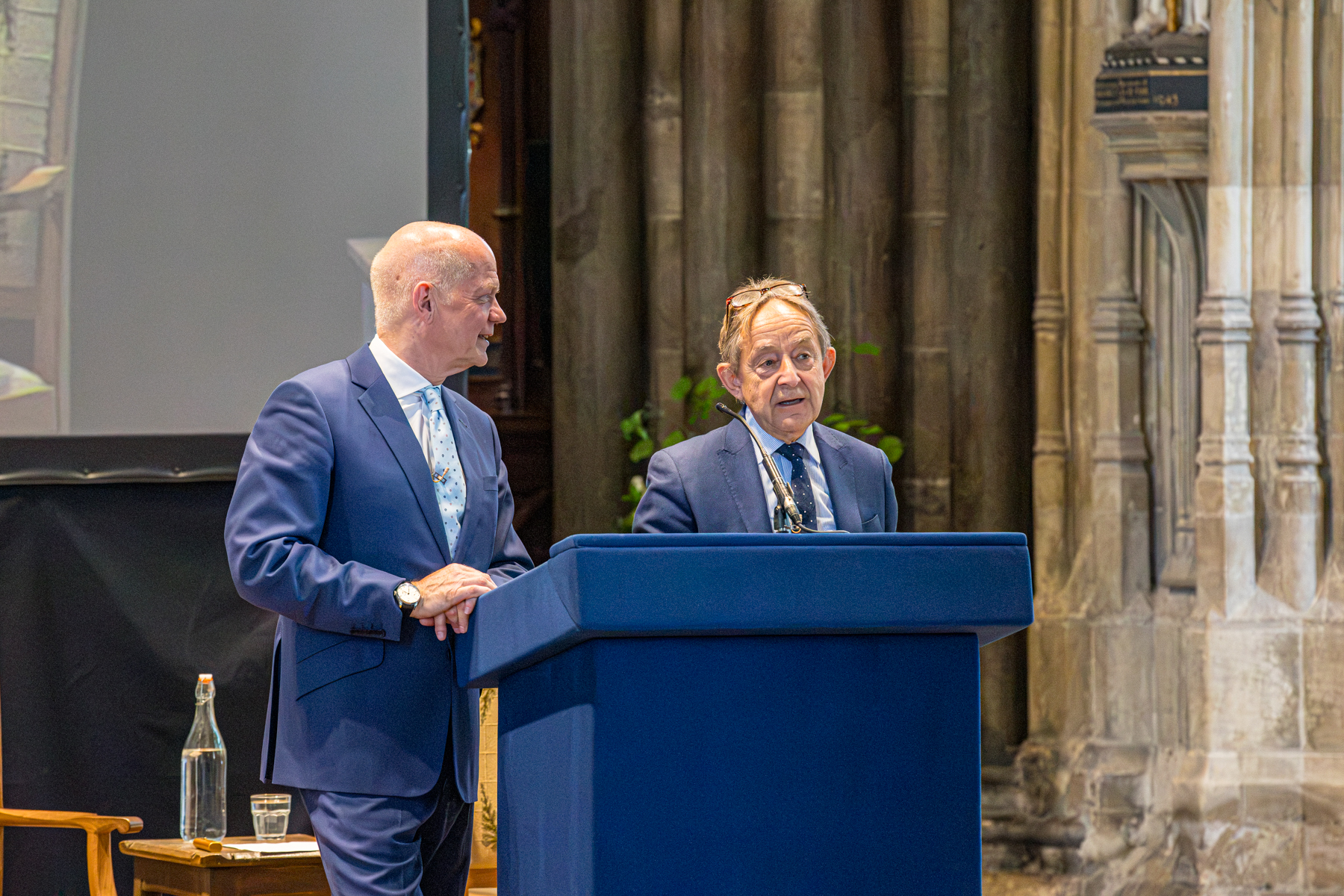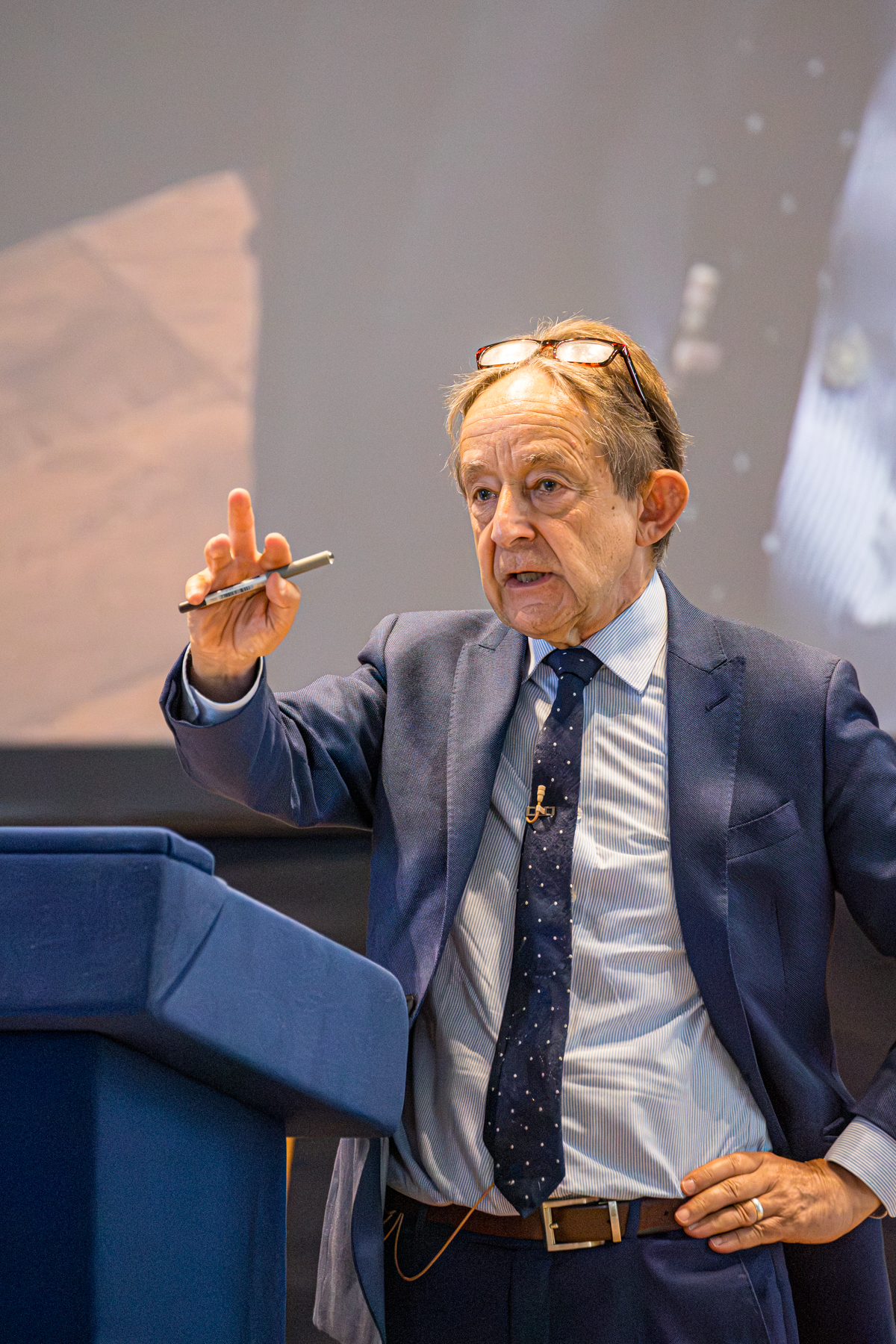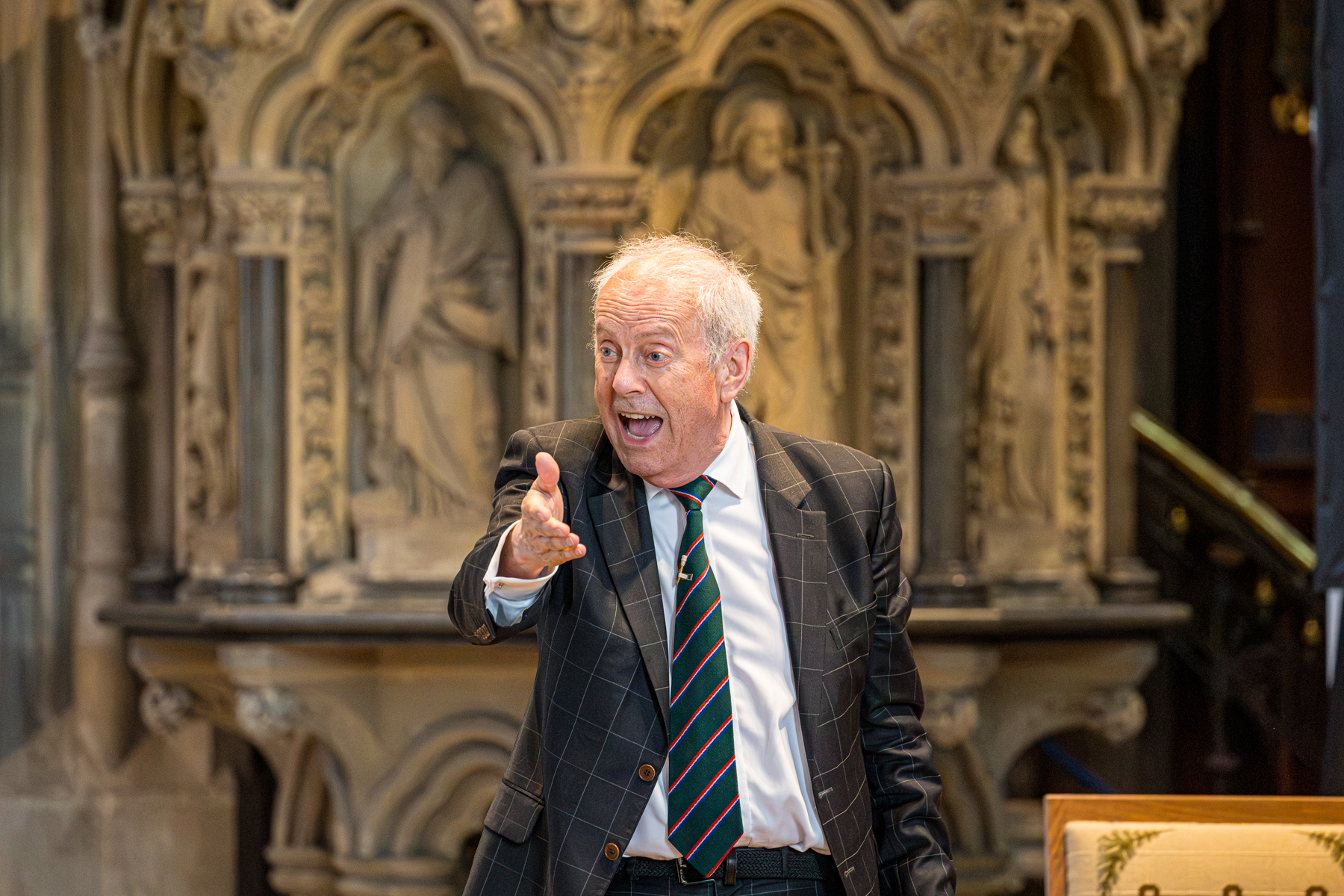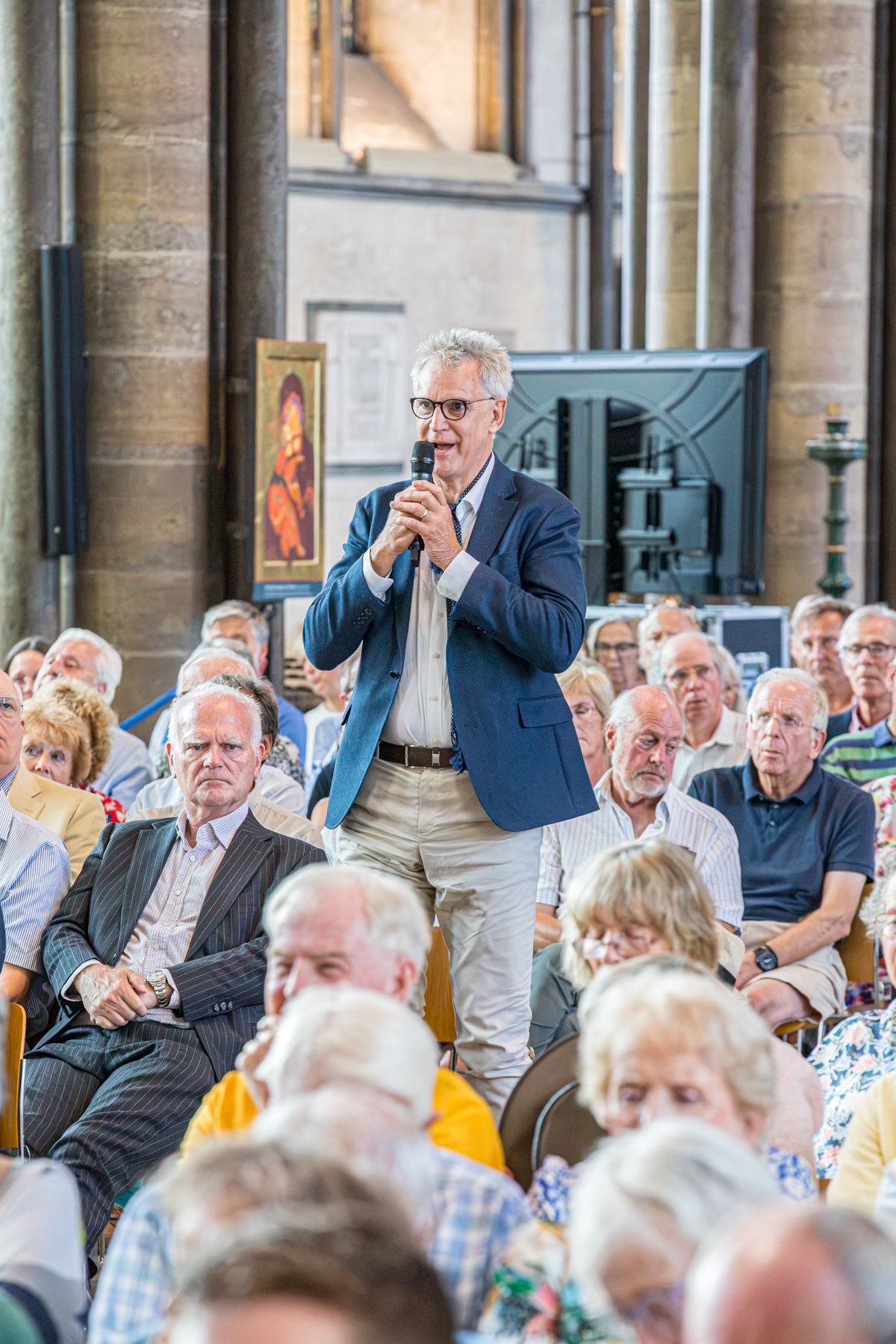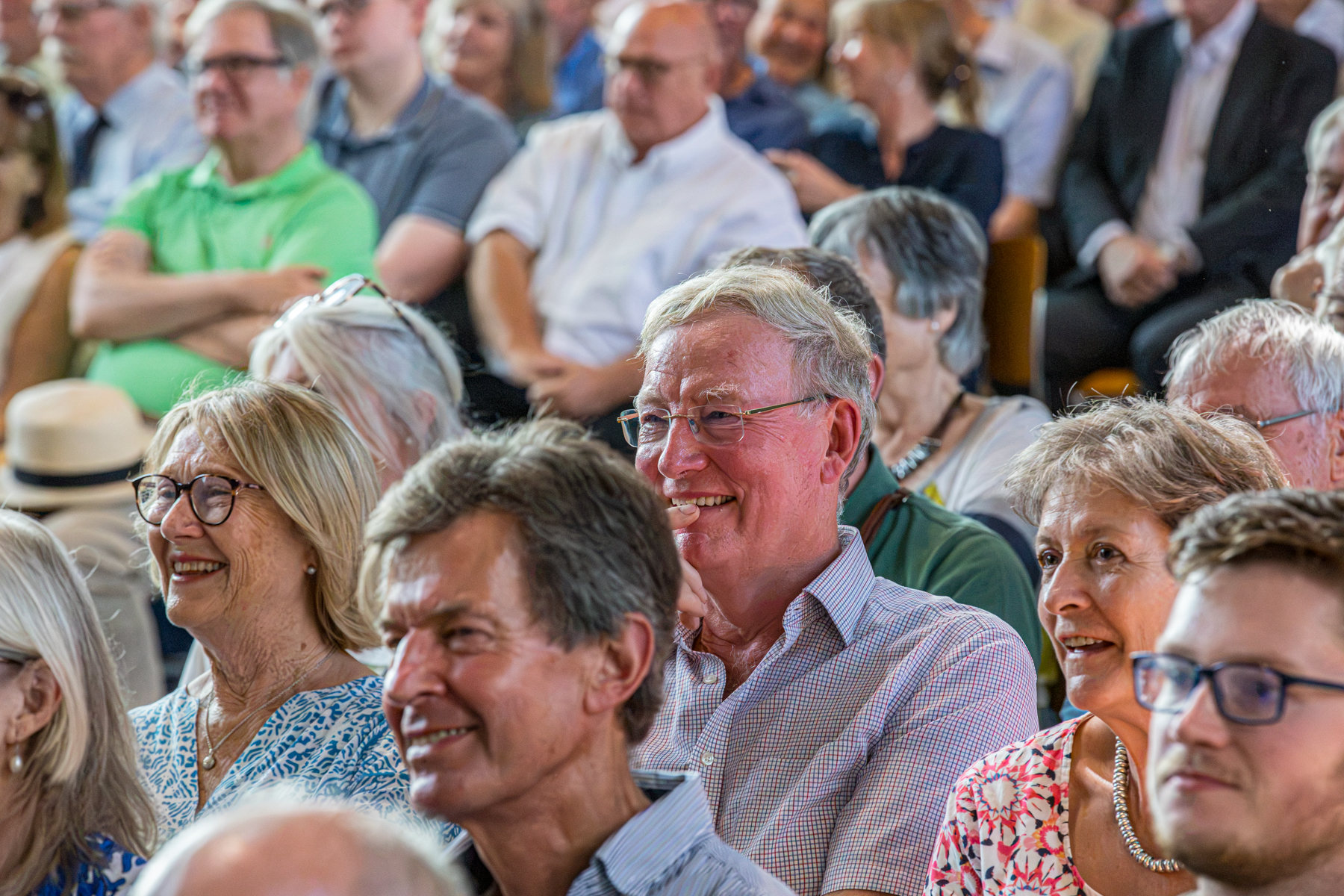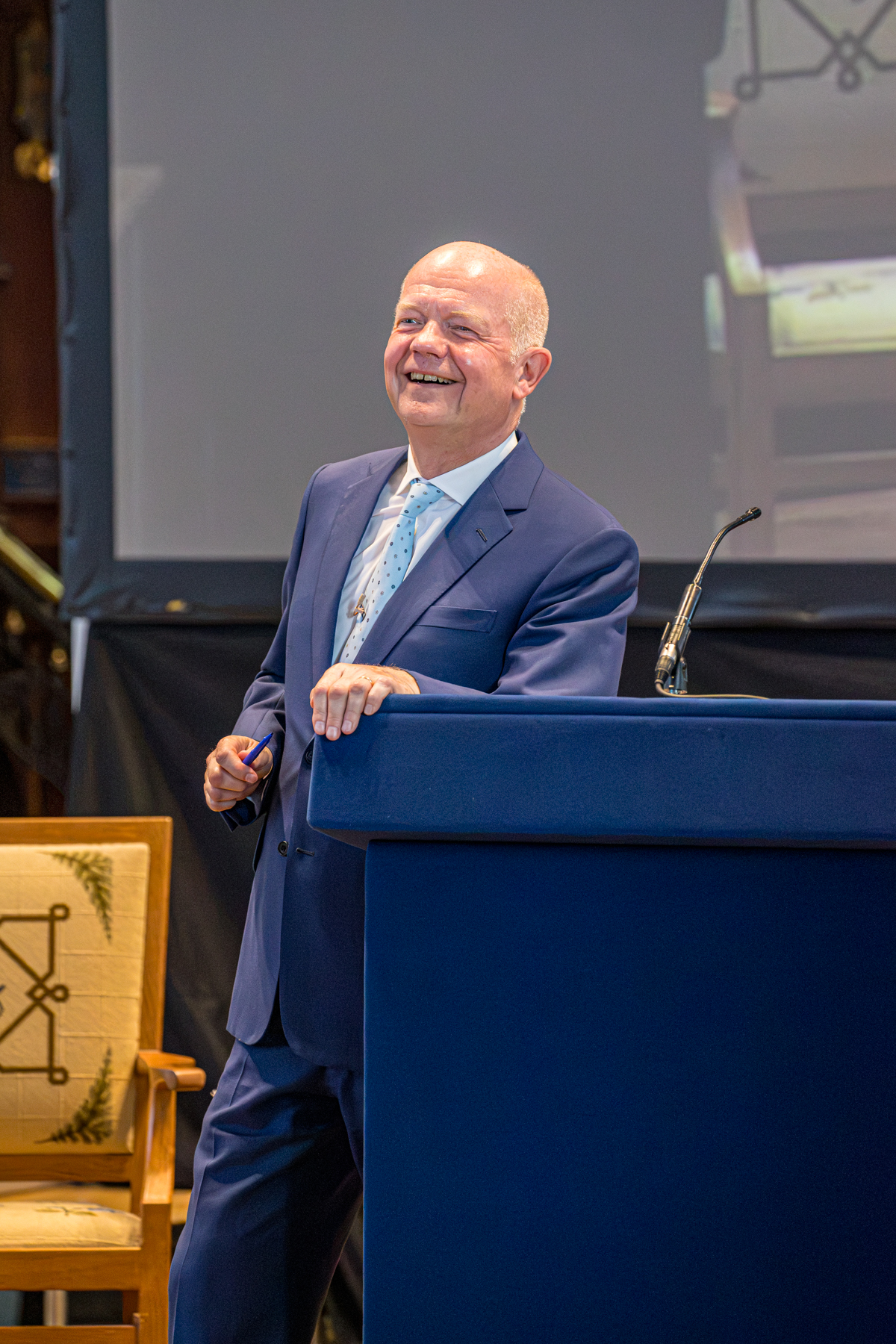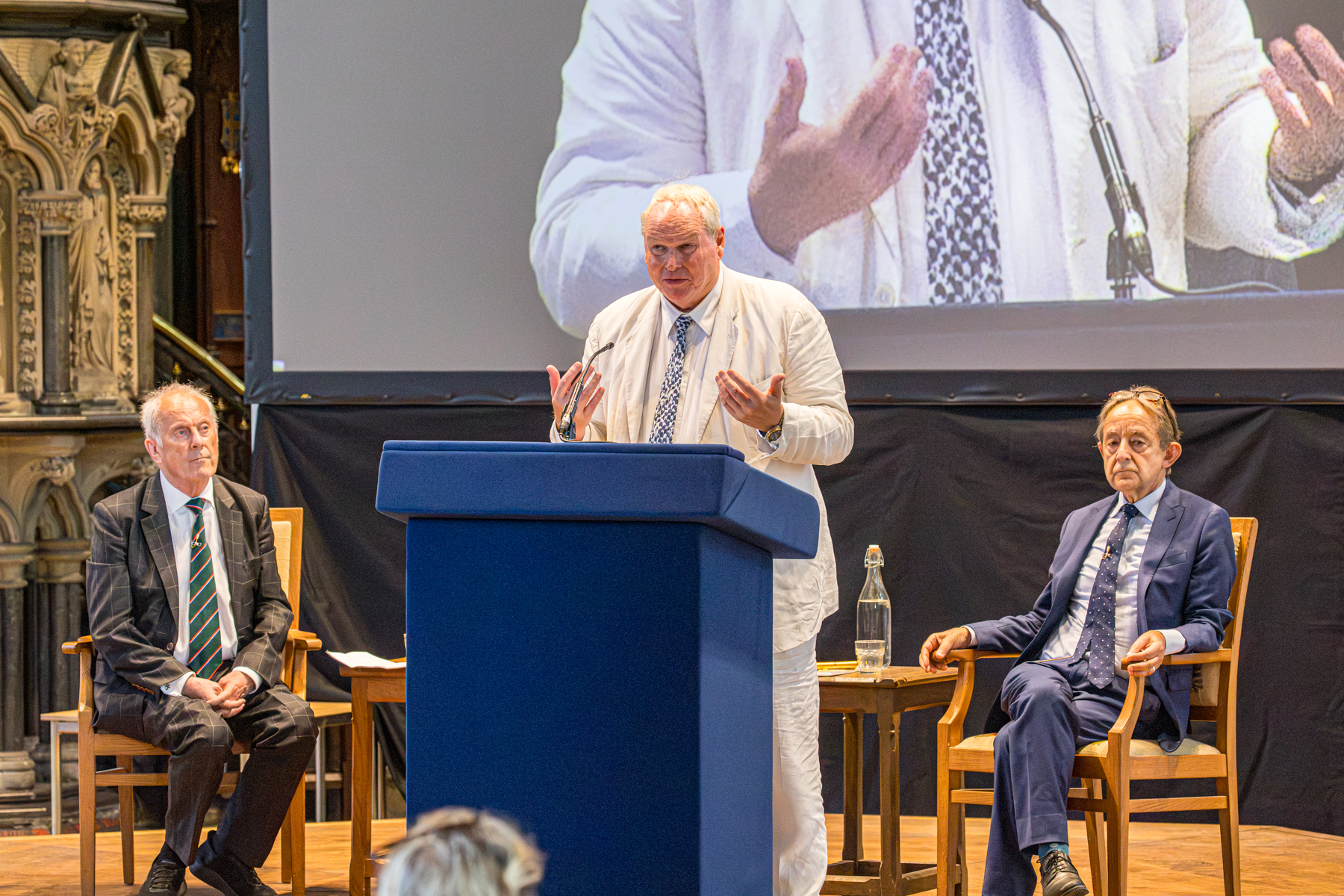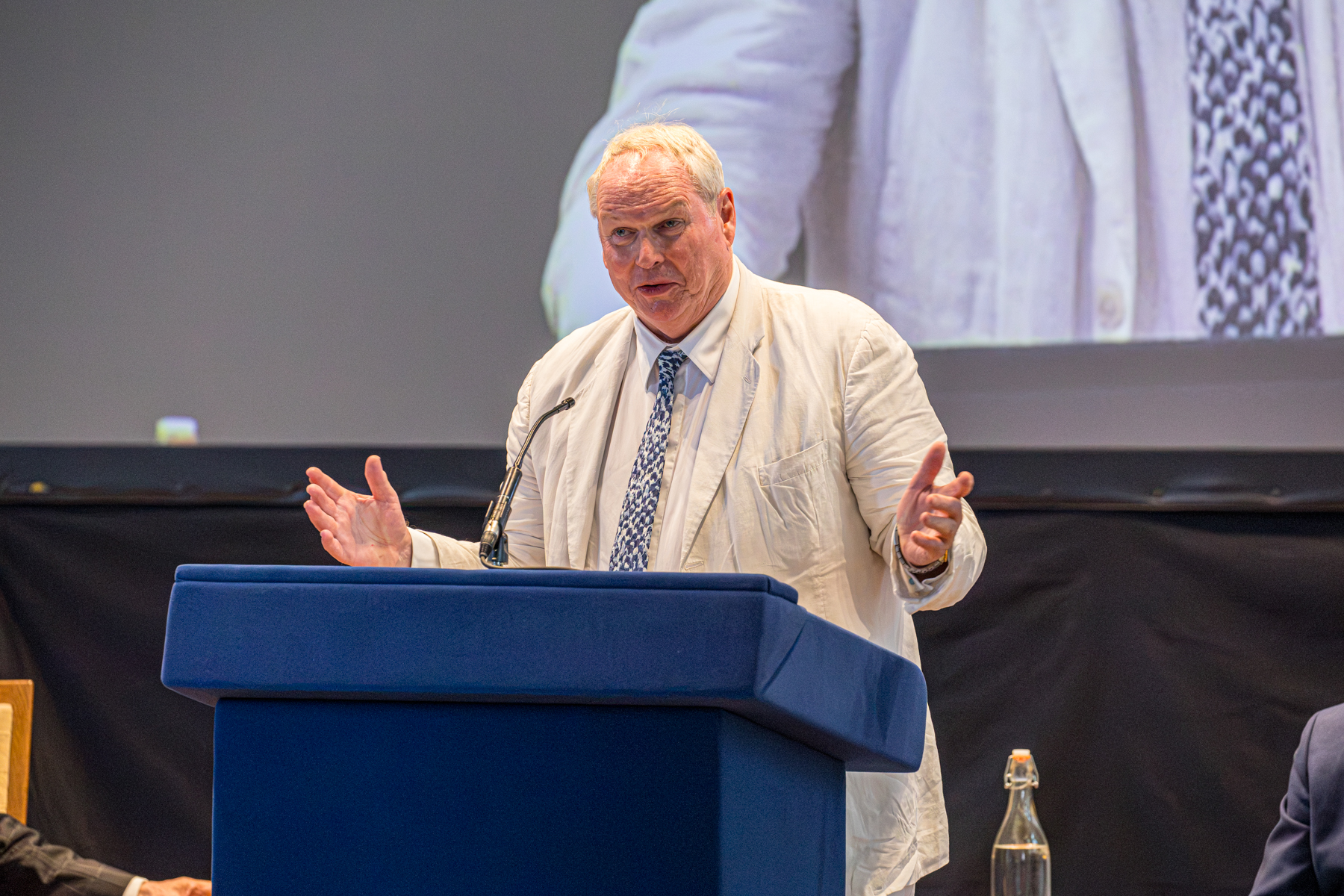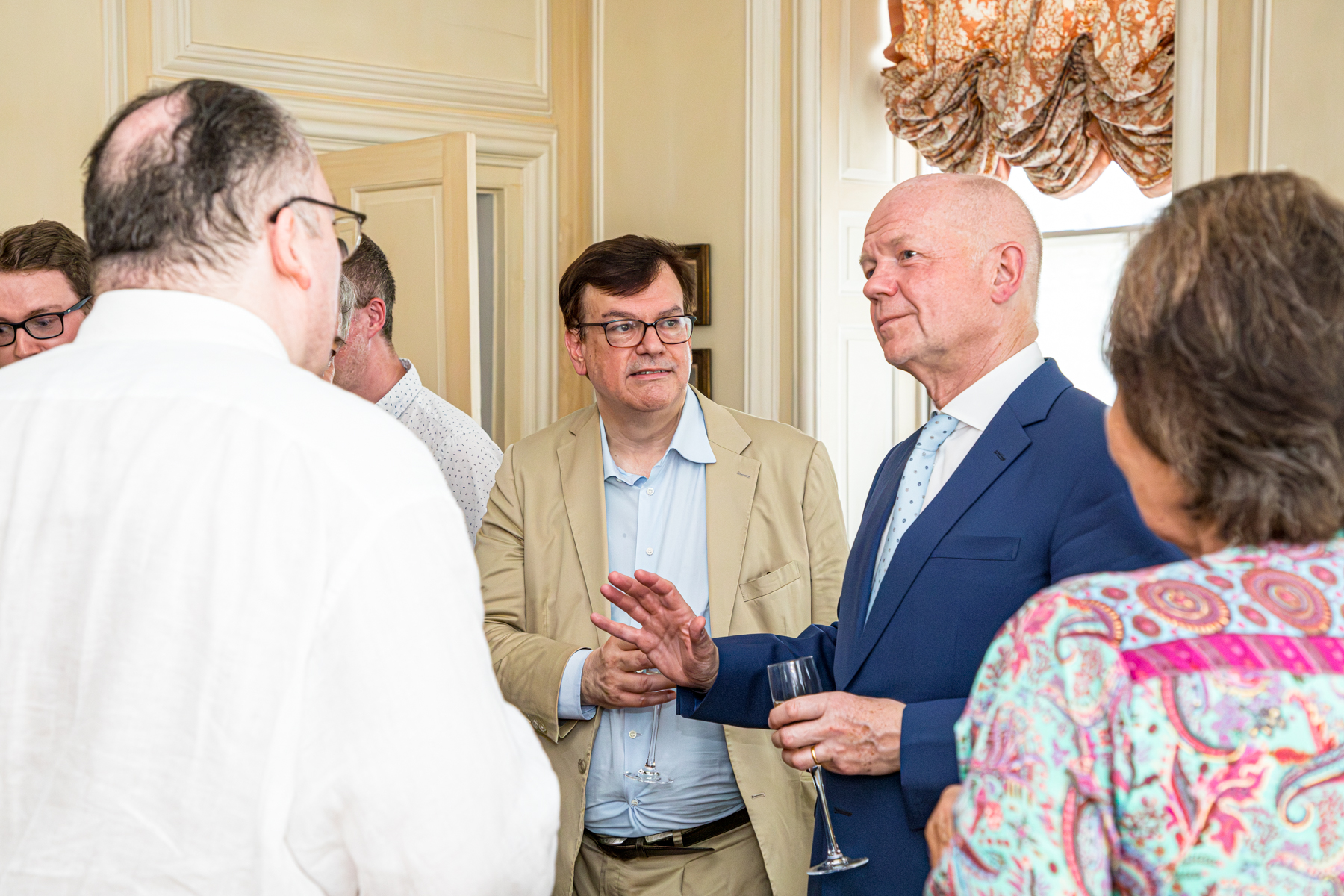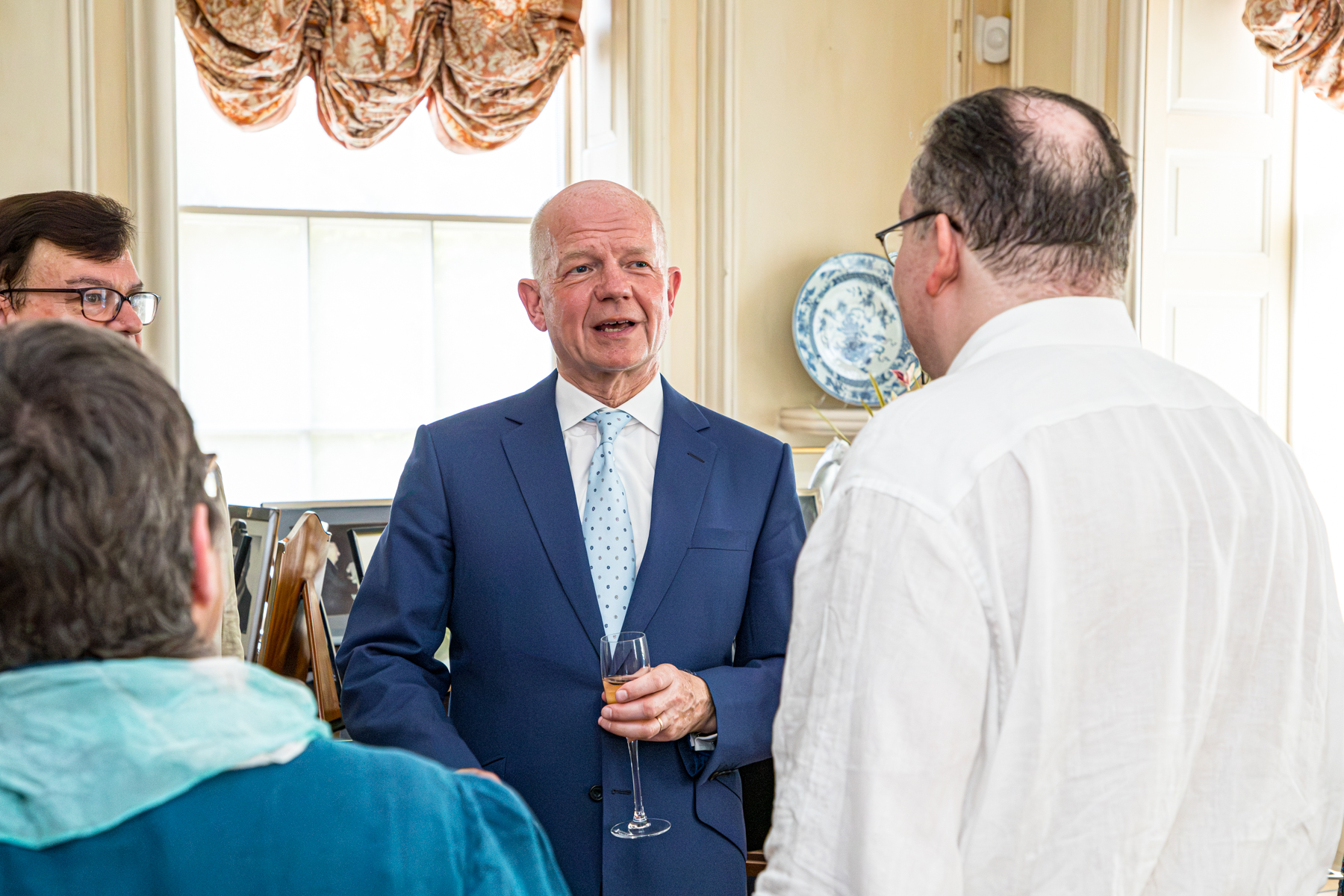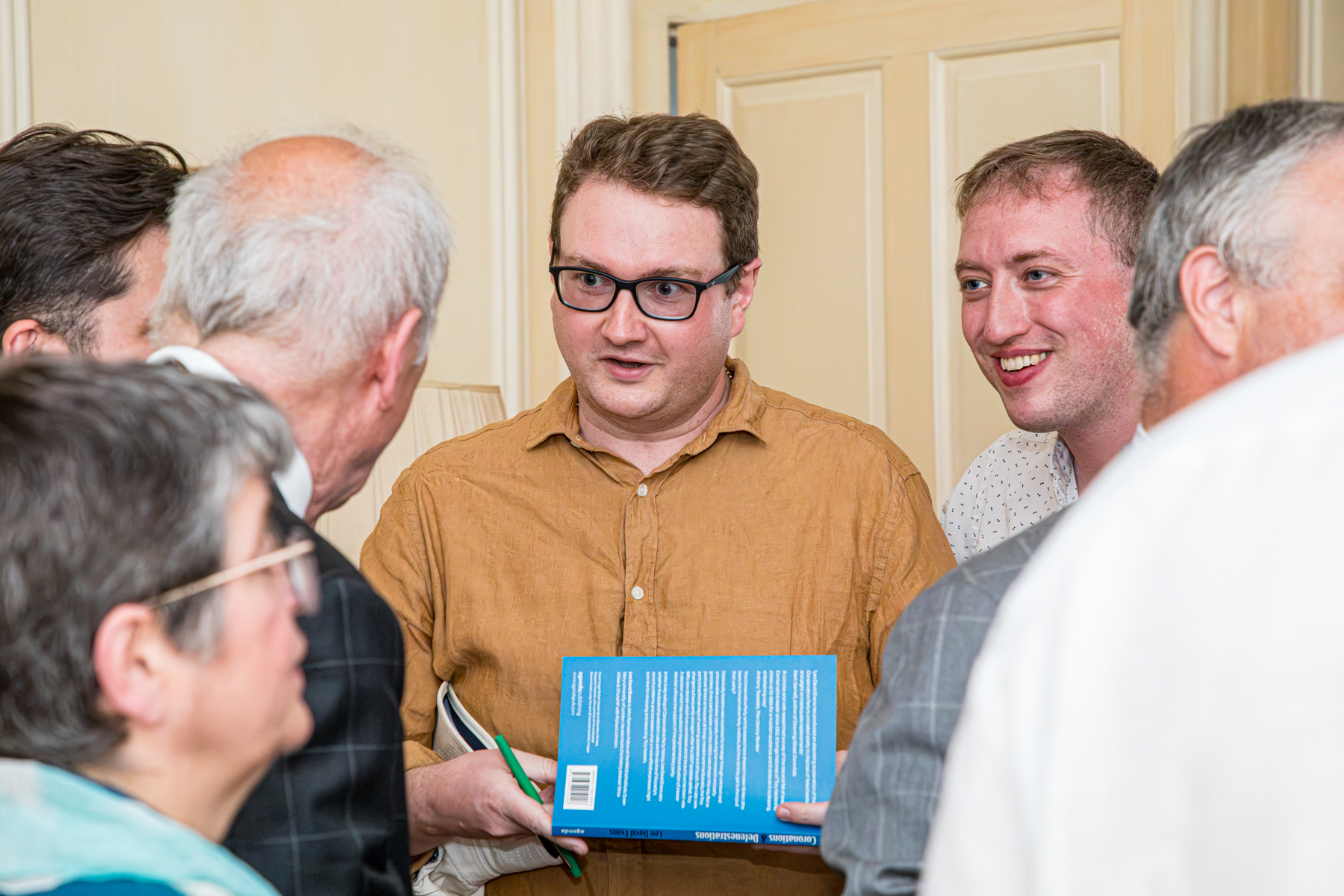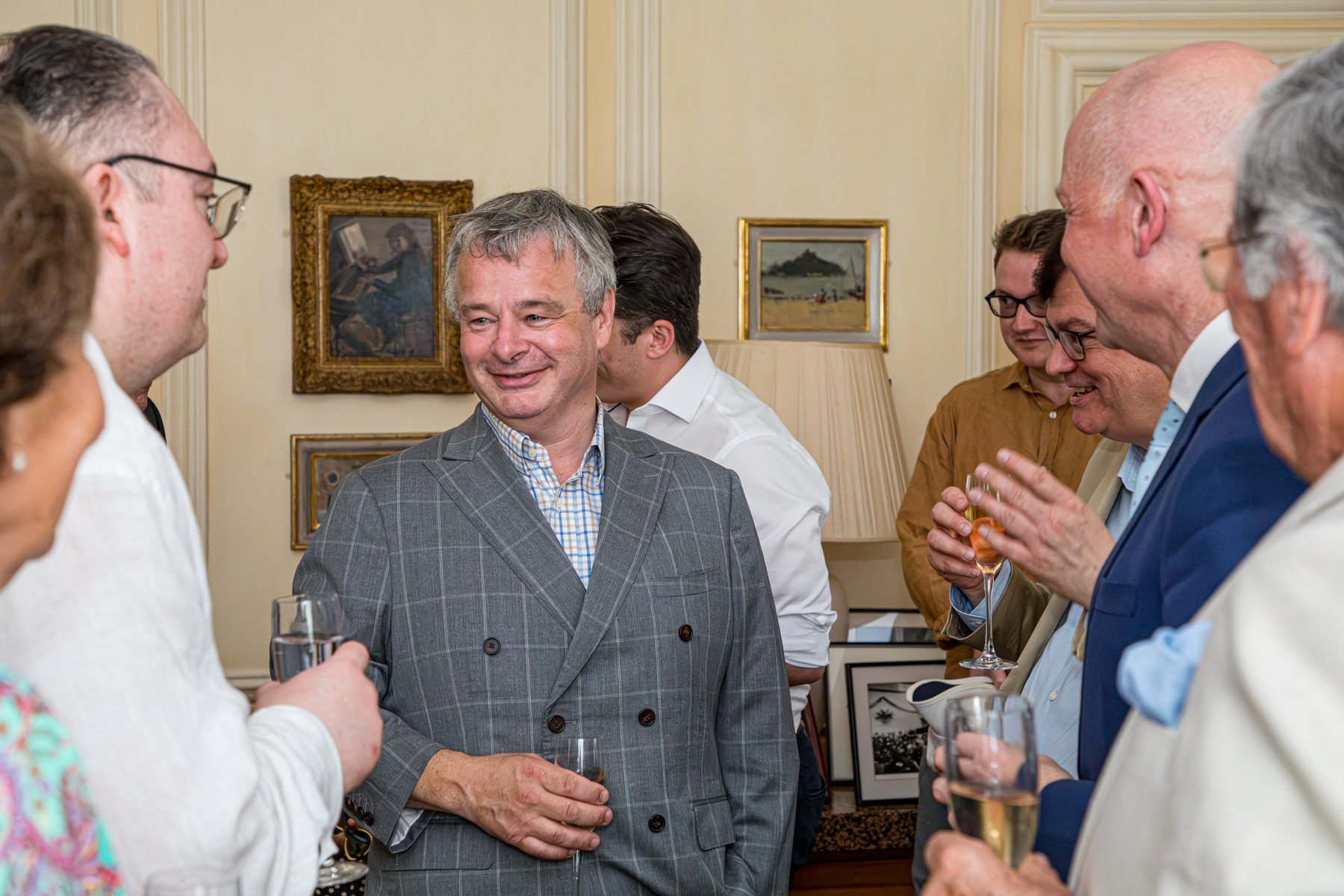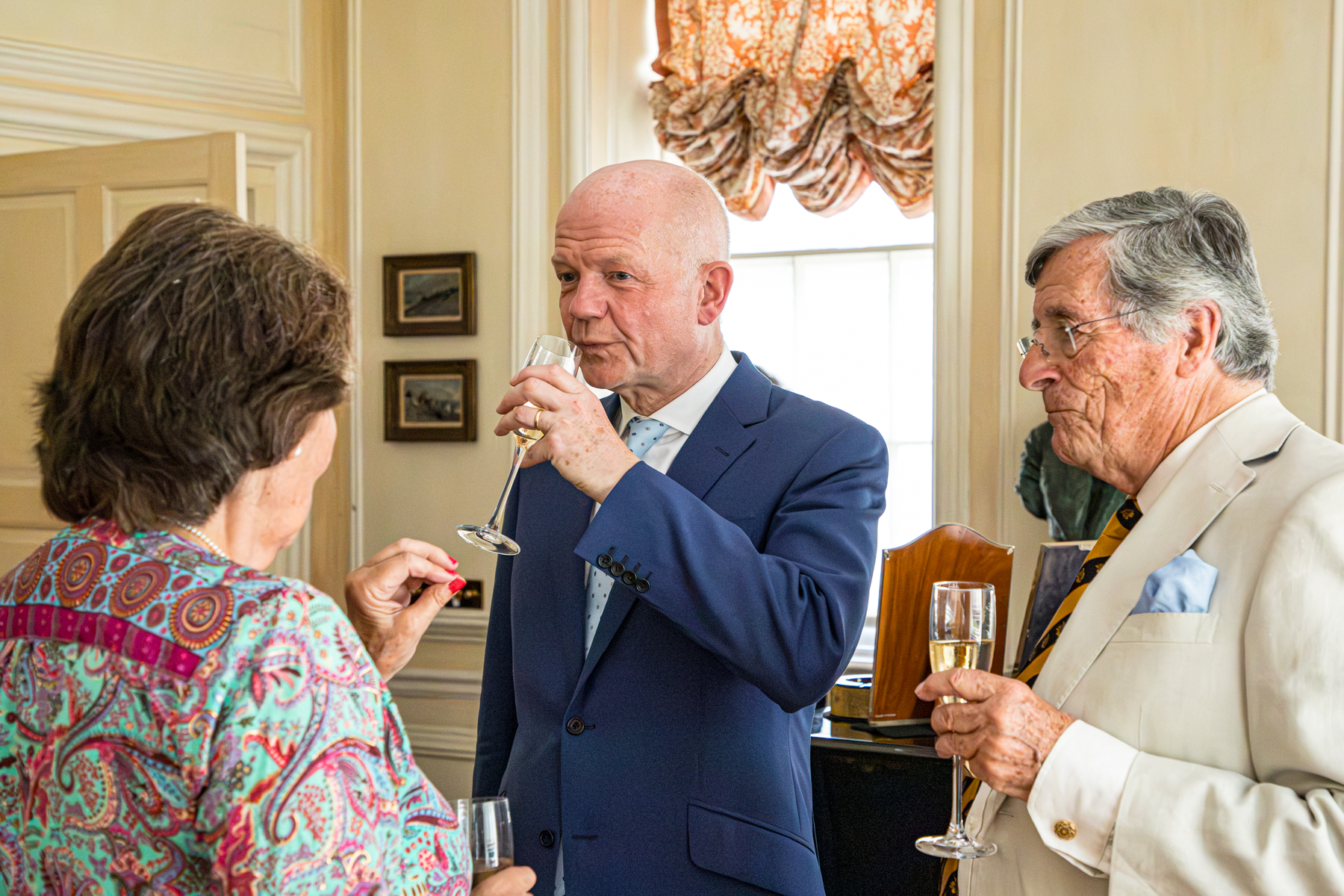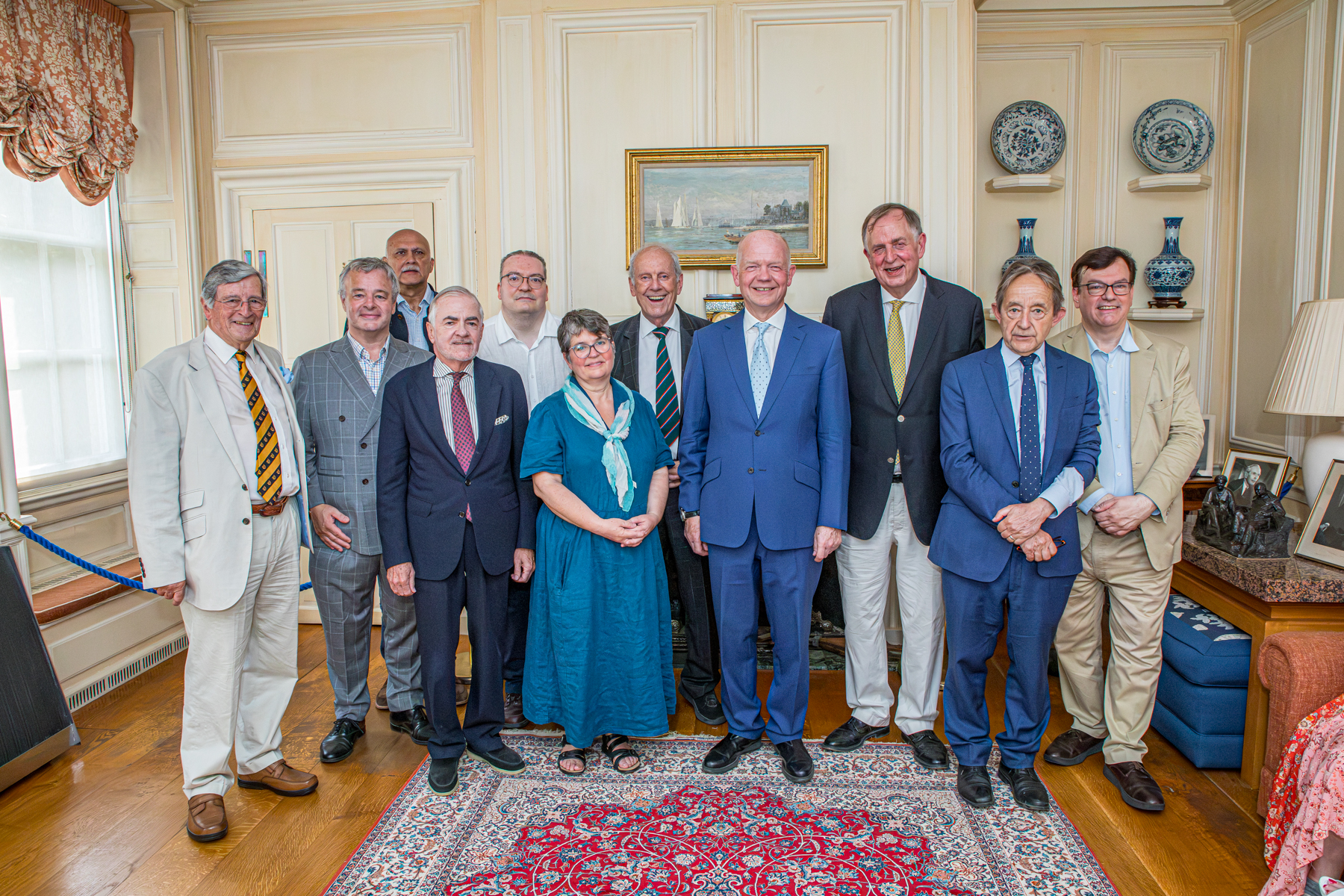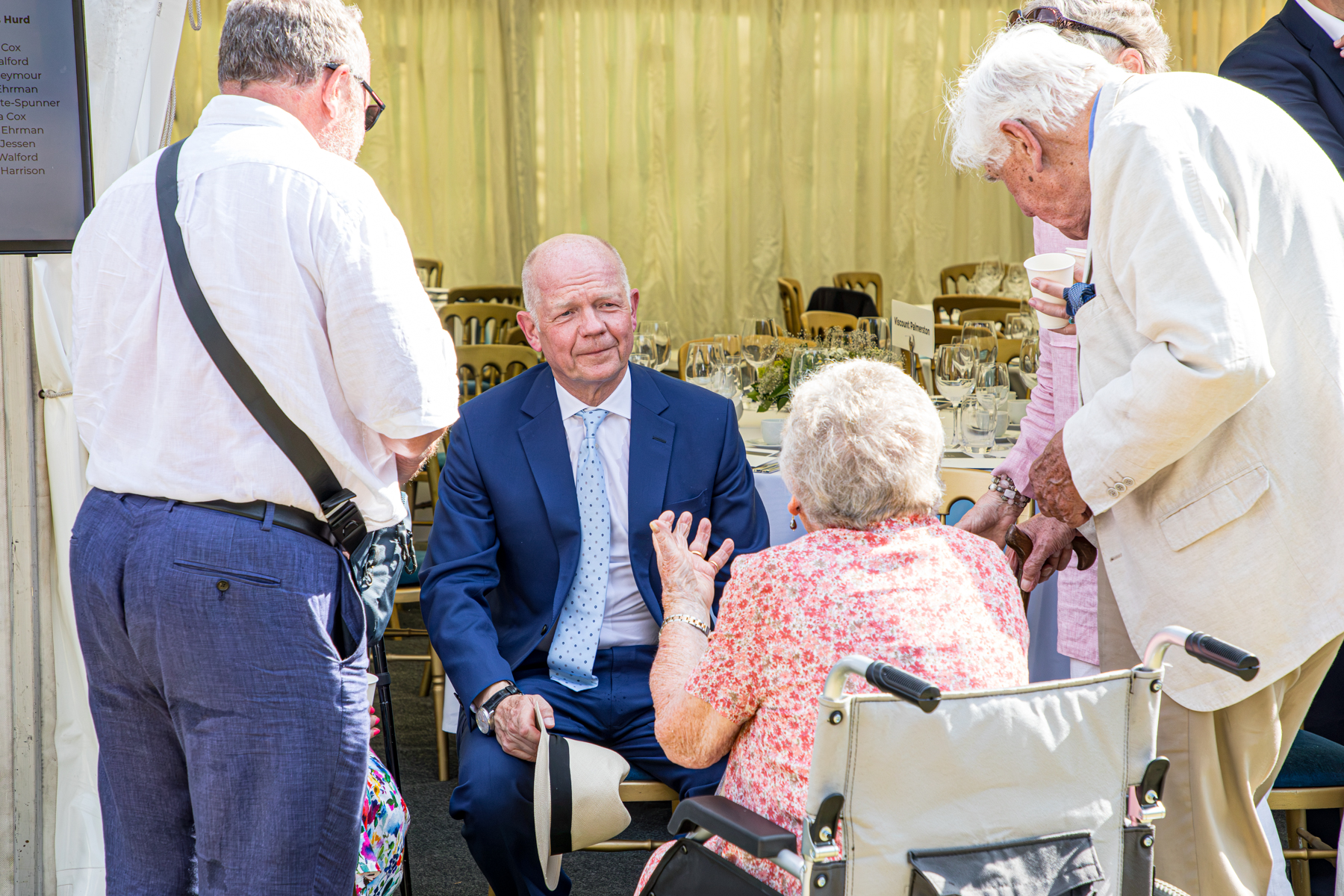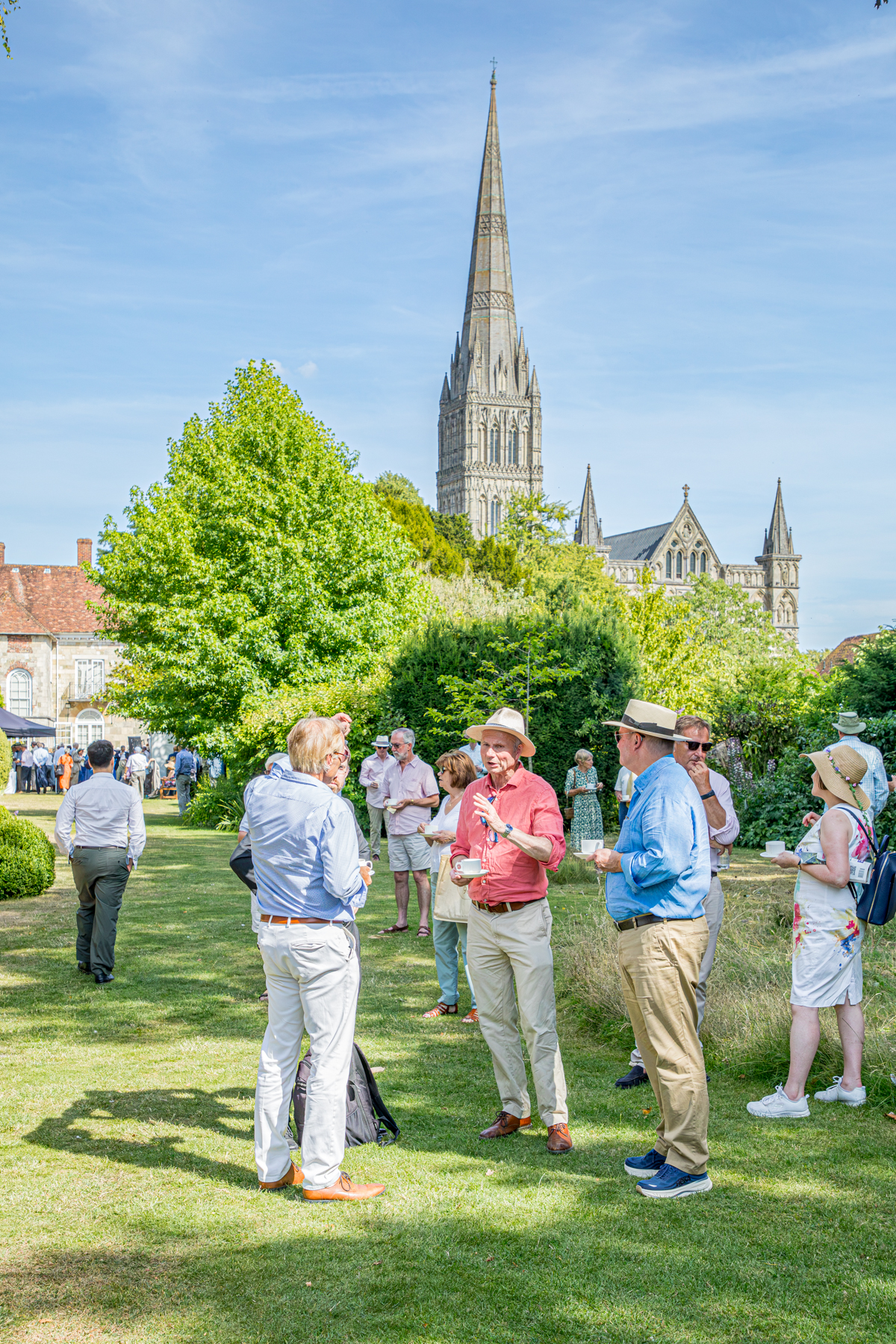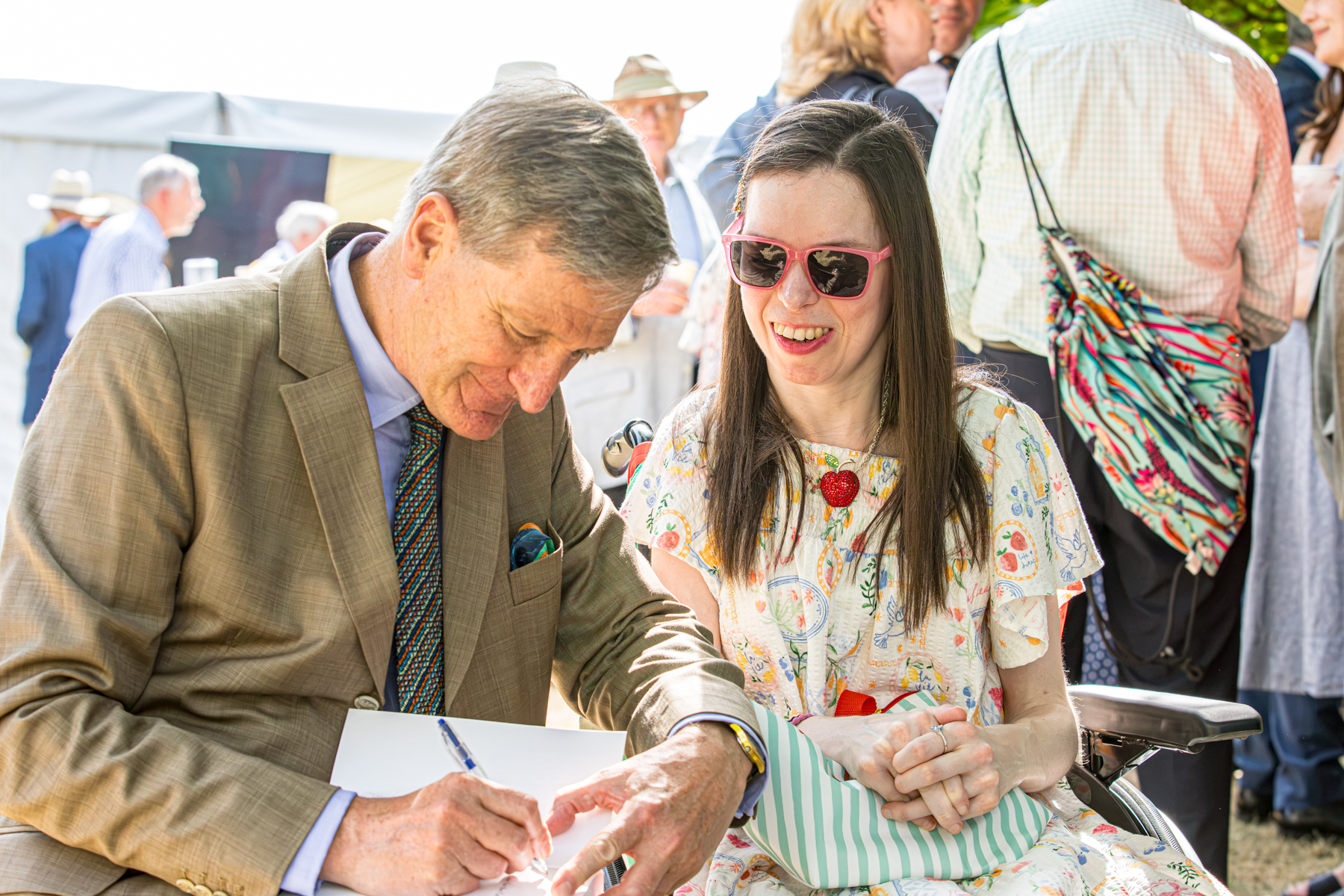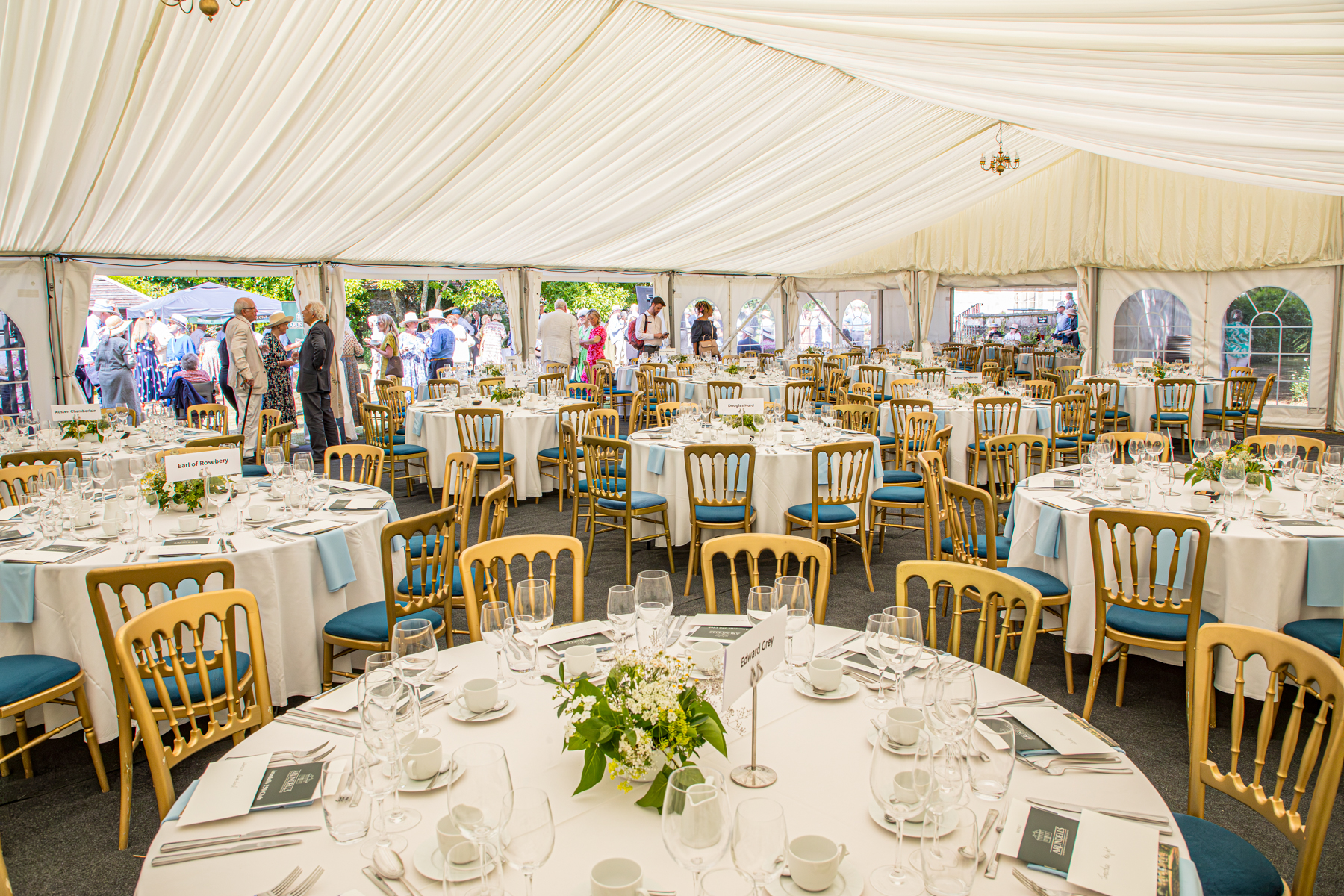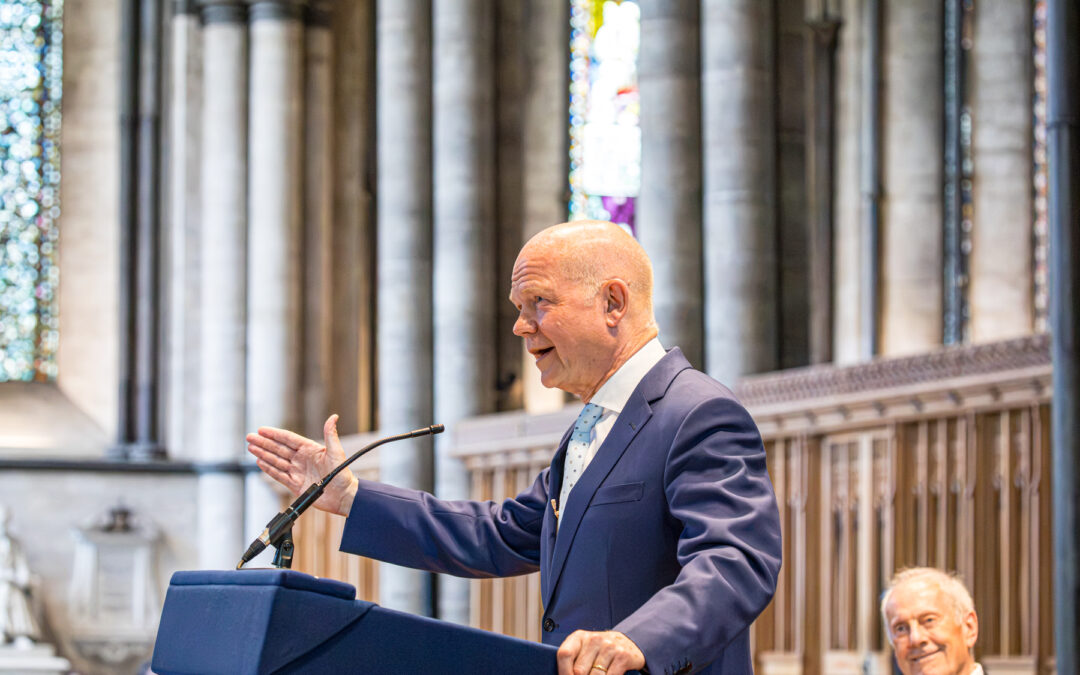
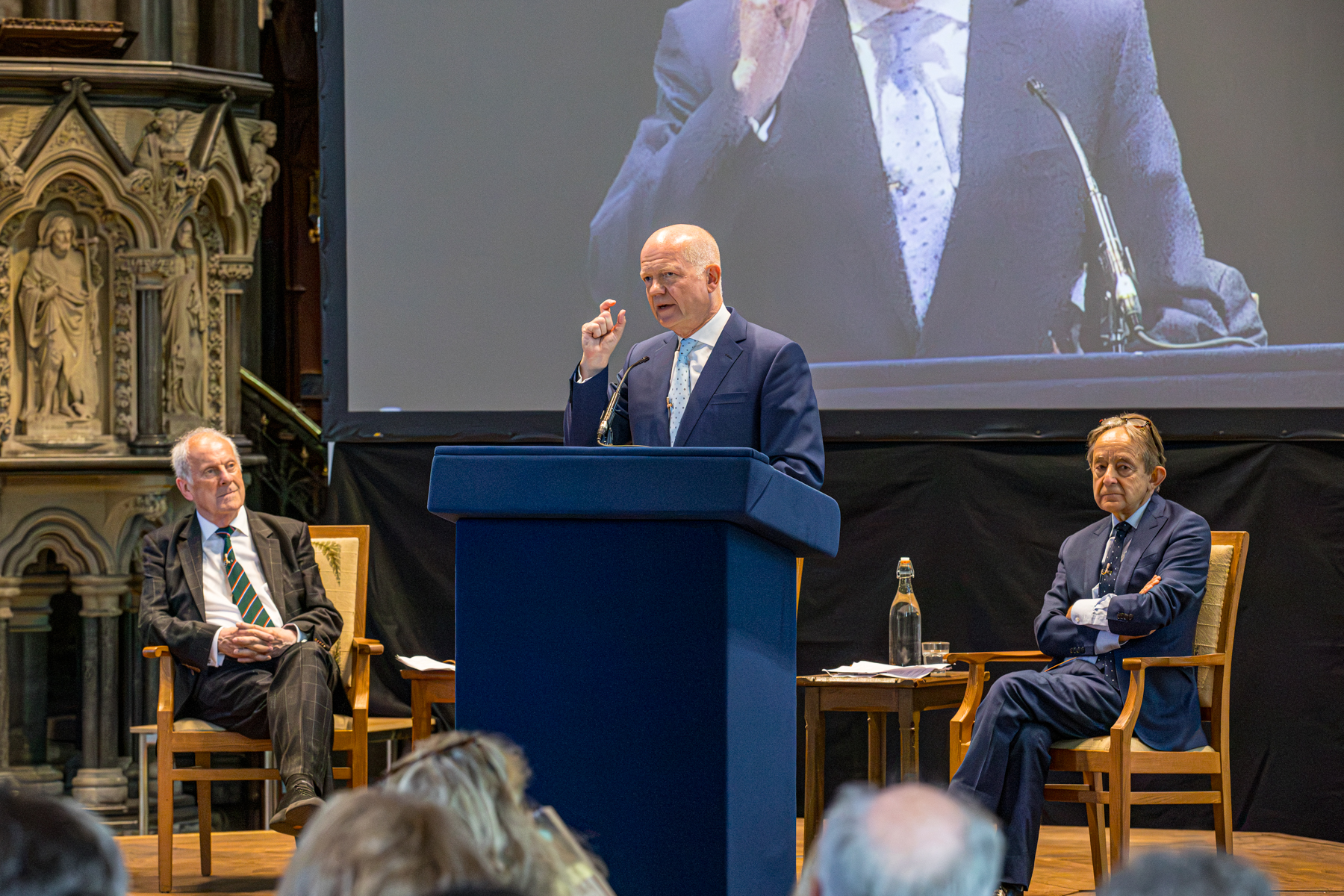
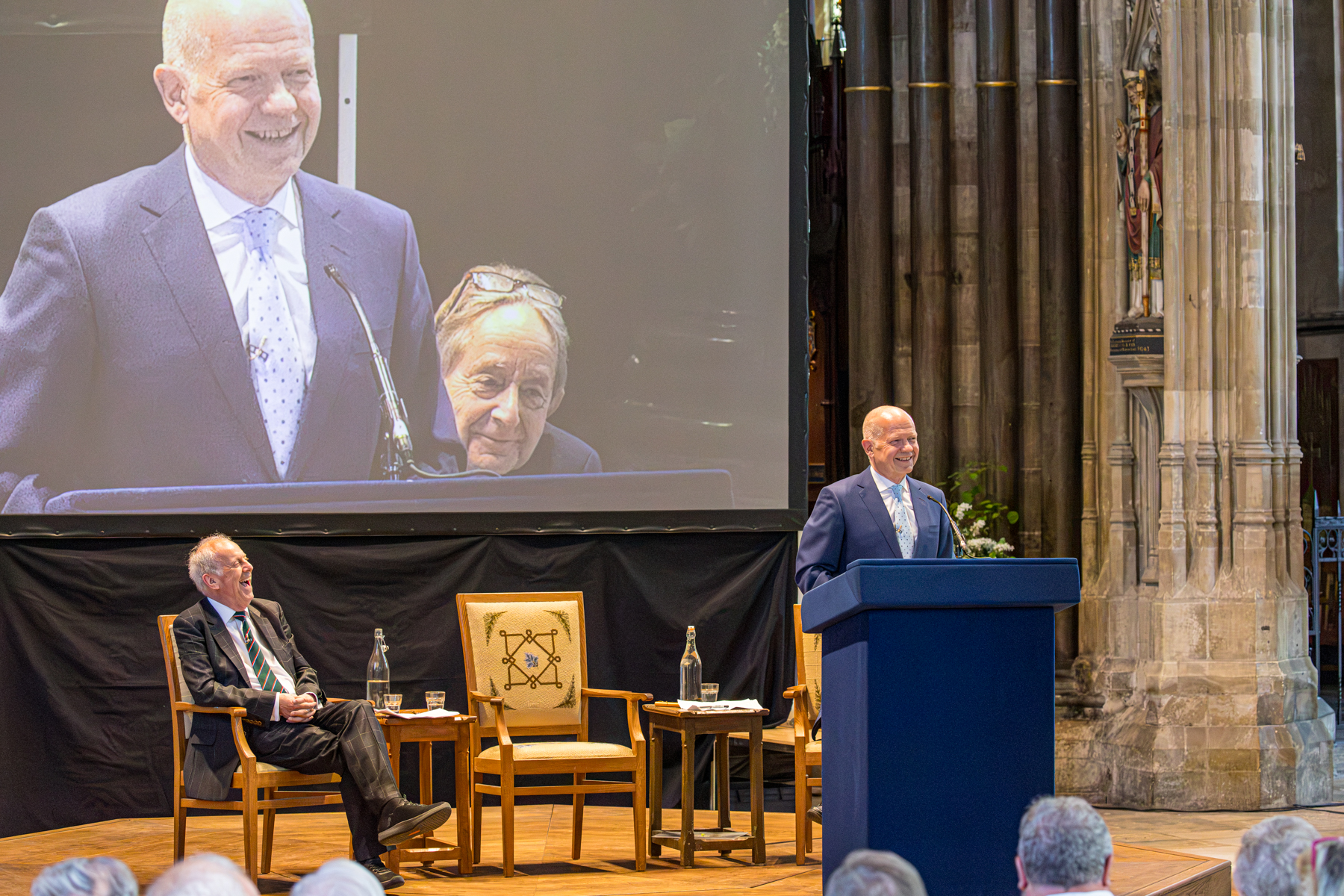
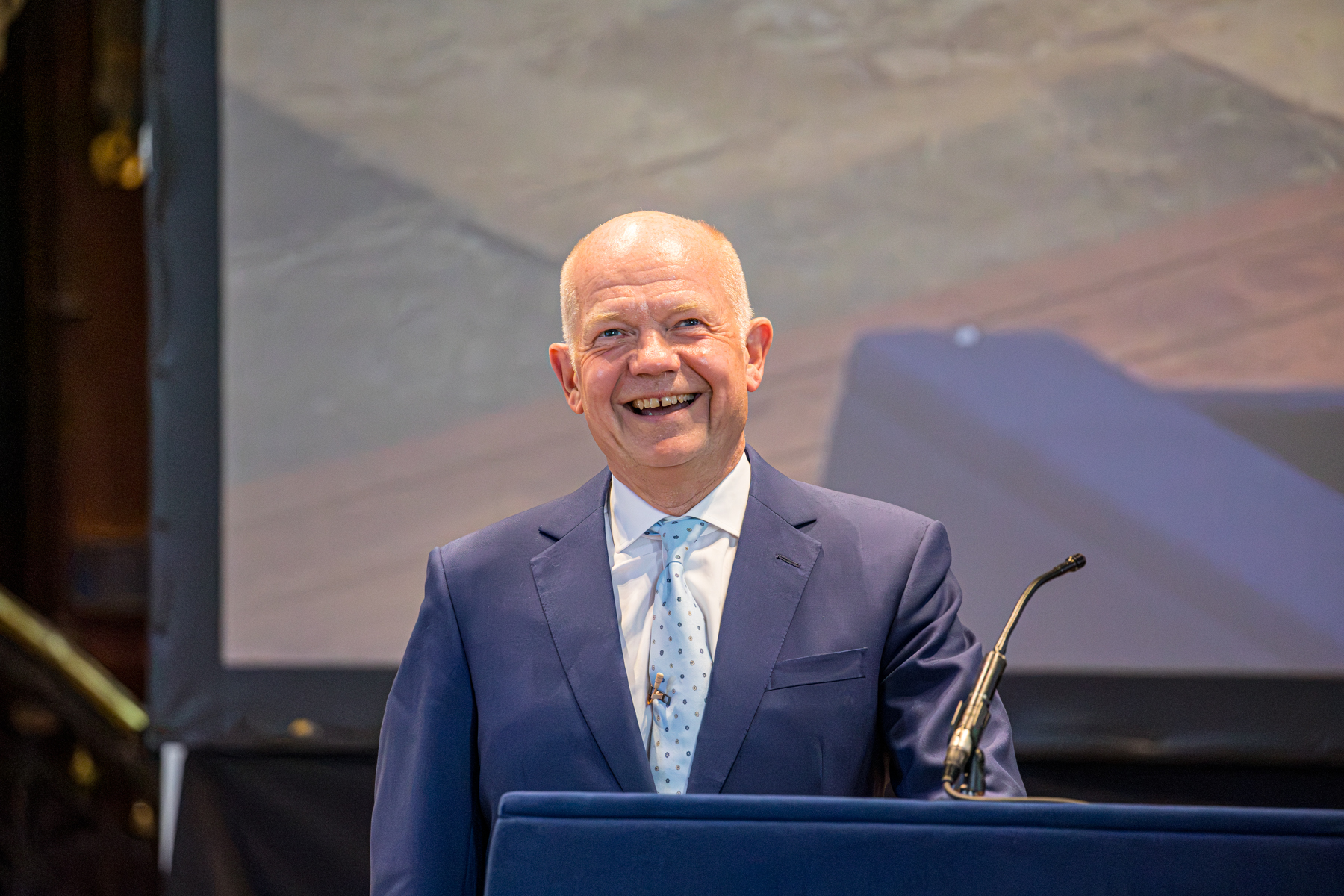
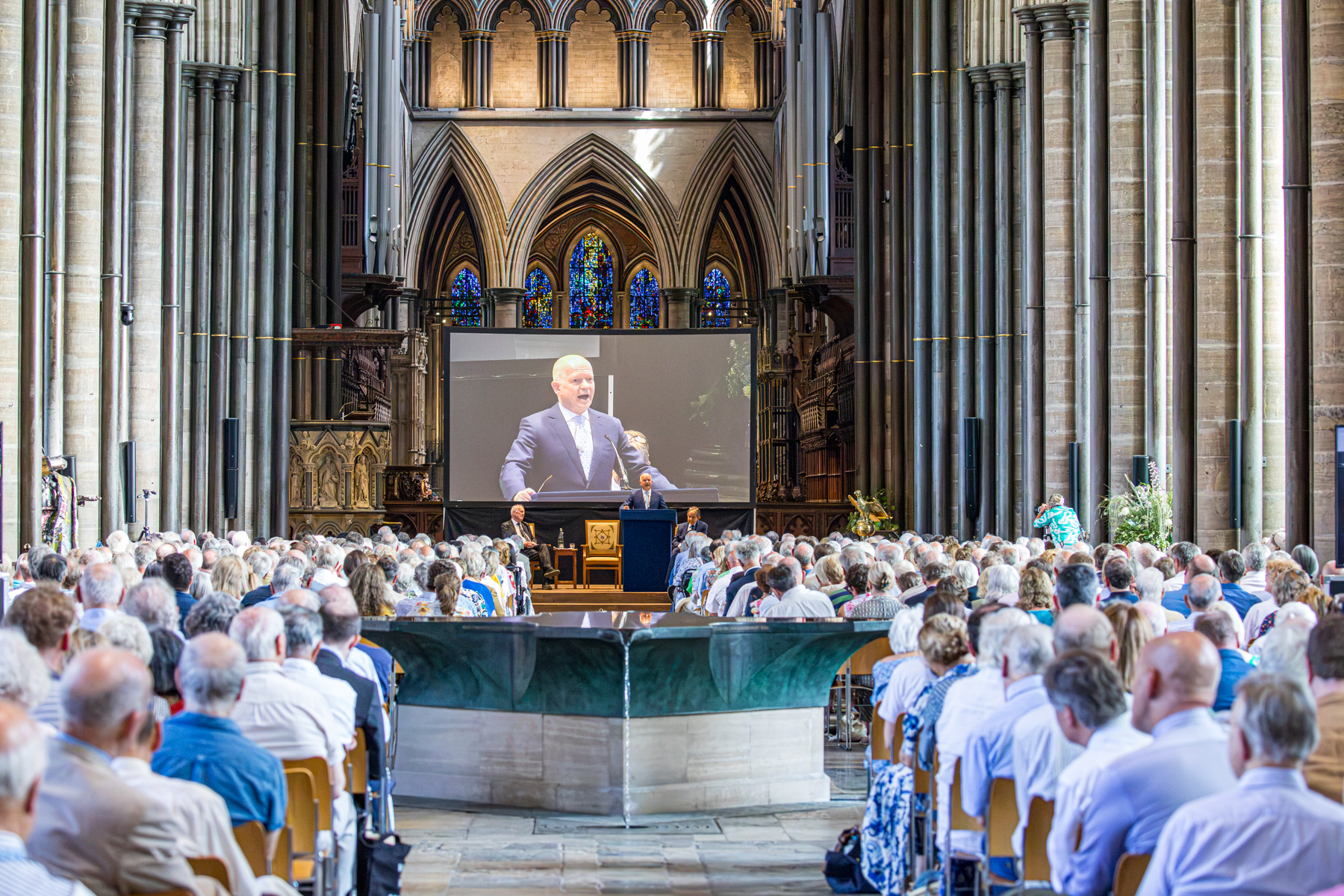
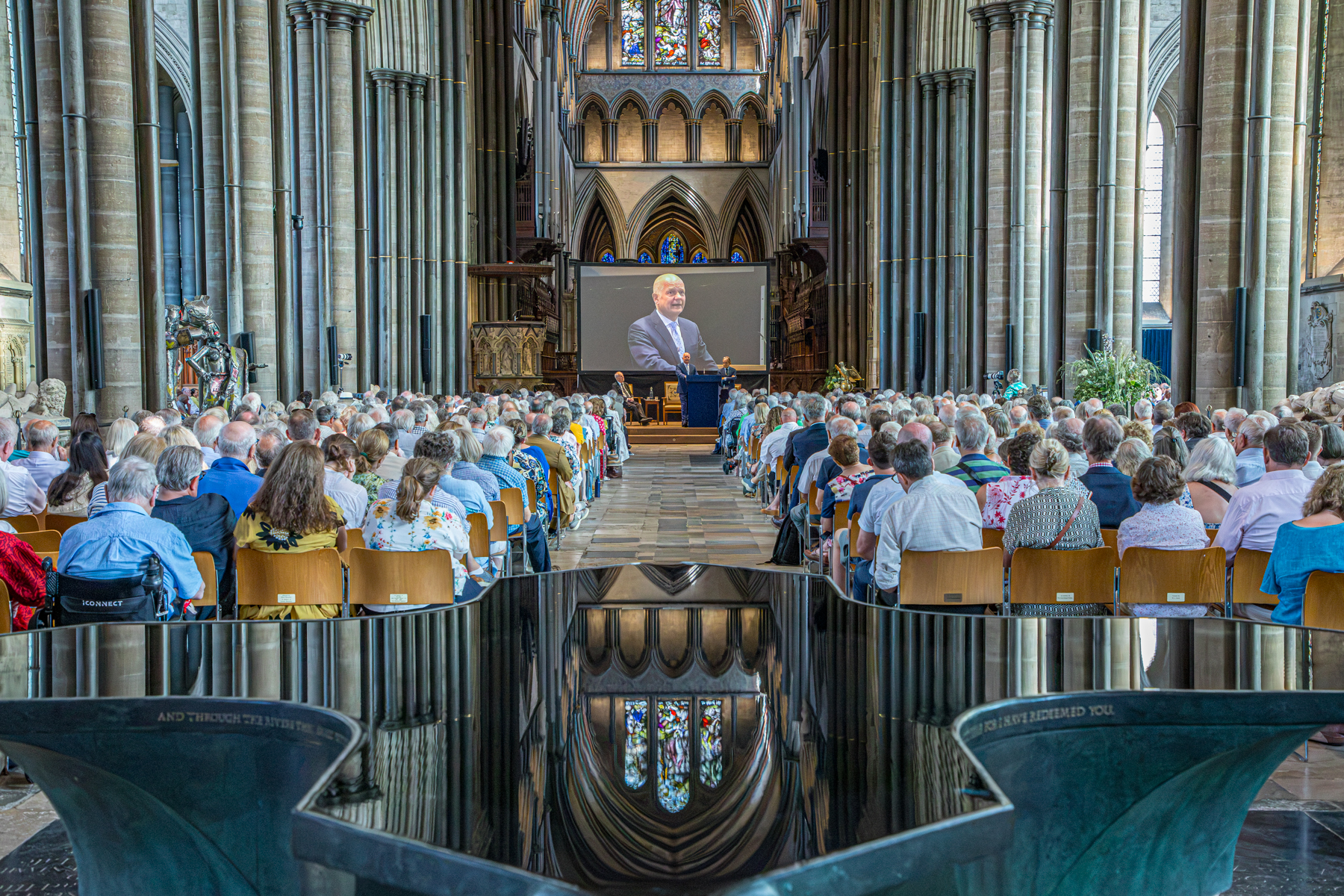
On 9 July 2026, Salisbury Cathedral welcomed Lord Hague of Richmond for the Edward Heath Annual Lecture, held on what would have been Sir Edward Heath’s 110th birthday. In a wide-ranging and thought-provoking address, Lord Hague reflected on leadership, public service, Britain’s place in the world, and the lessons that history offers for navigating an era of profound change. Drawing on the lives of Sir Edward Heath, William Pitt the Younger and William Wilberforce, he challenged his audience to consider the qualities needed to lead successfully in uncertain times. If you were unable to attend, or would like to revisit the lecture, you can watch the full recording below before reading this reflection.
Remembering Edward Heath
Before turning to his main theme, Hague reflected warmly on Heath himself. Their relationship was not always straightforward. Hague acknowledged that Heath could be demanding, independent-minded and sometimes difficult to work with. Yet his admiration was unmistakable.
Heath, he argued, was a statesman in the fullest sense of the word. He was shaped by his wartime experience, committed to public service, deeply cultured, and unusually rounded in an age when politicians increasingly become consumed by politics alone. Heath’s conviction that Britain belonged in Europe arose not from ideology but from a generation’s determination never to repeat the catastrophes of the Second World War.
Hague’s recollections painted a more personal portrait too: a man of warmth, humour and generosity beneath the public image. It was a reminder that lasting political figures are rarely defined by policy alone. Their character matters, often as much as their achievements.
The End of an Old World
The central argument of Hague’s lecture was both historical and contemporary.
Drawing on his research into William Pitt the Younger, Britain’s youngest Prime Minister, Hague described Britain at the end of the eighteenth century as a society standing on the threshold of immense change. Political upheaval, technological transformation, international conflict and economic uncertainty were reshaping the world. Many assumptions that had governed life for generations were becoming obsolete.
His striking contention was that we are living through a similar moment today.
Just as Pitt operated at the end of one age and the beginning of another, Hague argued that our own familiar world is disappearing. Artificial intelligence, climate change, demographic shifts, cyber warfare, geopolitical realignment and the changing nature of global power are creating a period of transition every bit as significant as the Industrial Revolution.
“We are operating at the end of our old world,” he observed.
Rather than seeing today’s challenges as isolated crises, Hague encouraged his audience to view them as interconnected symptoms of a deeper historical shift.
A More Dangerous Future
One of the most memorable passages of the lecture concerned Hague’s conversations with students at Oxford.
He told them that his own generation may have been the luckiest in history: educated largely without fees, benefiting from rising property values, and living most of their lives in relative peace and prosperity.
Today’s students, he suggested, face a different reality.
They may live through the most exciting period in human history, but also the most dangerous since 1945.
That was not intended as a counsel of despair. On the contrary, Hague’s message was that resilience, adaptability and imagination will become essential virtues. Future generations will need to reinvent themselves repeatedly and respond to change at a speed previous generations never experienced.
Four Tests of Leadership
At the heart of the lecture was a framework for political leadership.
Drawing on his study of great Prime Ministers, Hague identified four qualities that effective leaders must possess:
- A clear sense of direction — knowing where the country is heading.
- The ability to make government work — overcoming bureaucratic inertia.
- The capacity to tell a convincing national story — helping people understand the purpose of change.
- The willingness to show authority when required — demonstrating leadership during moments of difficulty.
Heath, Churchill, Attlee, Thatcher and Pitt all embodied these characteristics in different ways, Hague argued.
Whether one agrees with their politics or not, they understood where they wanted to take the country and were prepared to make difficult decisions to get there.
The implication was clear: contemporary politics too often falls short because it lacks these qualities.
Faith, Values and Public Service
One of the most unexpected and moving parts of the lecture came when Hague turned to William Wilberforce.
Speaking within Salisbury Cathedral, he reflected on the role that faith played in motivating Wilberforce and his contemporaries. Beyond abolishing the slave trade, Wilberforce was part of a generation that founded schools, charities, missions, welfare organisations and educational initiatives across society.
Hague’s point was not narrowly religious. Rather, he argued that lasting national renewal requires moral purpose alongside political leadership. Resilience alone is not enough; societies also need values that inspire people to act beyond their own interests.
It was a timely reminder in an age when public debate often focuses on structures, systems and economics while neglecting questions of character and purpose.

Reasons for Optimism
Despite addressing subjects such as war, technological upheaval and political instability, the lecture ended on an optimistic note.
History, Hague argued, shows that difficult periods can be overcome. Britain survived the revolutionary crises of the late eighteenth century. Other nations have successfully confronted economic and social challenges in more recent decades. Progress is possible when leaders possess clarity, courage and competence.
His conclusion was simple but important:
Leadership matters.
Not every problem is inevitable. Nations are not merely passengers carried helplessly by events. Good leadership can shape outcomes, build resilience and create opportunities even in periods of uncertainty.
A Lecture for Our Times
The annual Edward Heath Lecture exists to encourage thoughtful engagement with public life, and this year’s event achieved exactly that.
Hague’s speech was not partisan. Nor was it nostalgic. Instead, it used history to help make sense of the present. By connecting Edward Heath, William Pitt, Wilberforce and today’s challenges, he reminded the audience that every generation faces moments when the future appears uncertain.
The question is not whether change is coming. It already is.
The question is whether we can find the leadership, vision and confidence to meet it.
Judging by the sustained applause that followed, many of those gathered beneath the soaring vaults of Salisbury Cathedral felt they had heard not just a lecture about history, but a thoughtful guide to navigating the future.